Cute Animals Coloring Book Embroidery Review
First Impressions: A Playful and Versatile Design Set
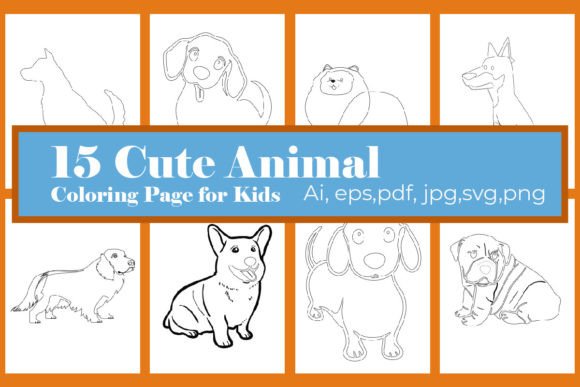
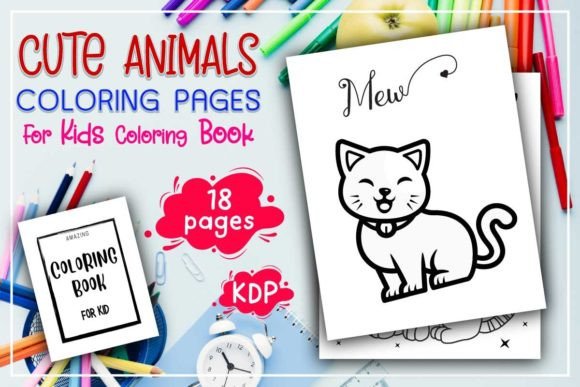
When I first opened the Coloring Book for Kids, I was immediately drawn to its playful and whimsical aesthetic. The 18 unique animal designs feel like they were crafted with a child's imagination in mind—each one is cute, expressive, and full of charm. As an embroidery designer, I noticed that the shapes are well-proportioned and stylized in a way that makes them adaptable for a variety of fabric types and embroidery techniques.
The overall mood created by this set is light-hearted and inviting, which makes it perfect for projects aimed at younger audiences or those looking to add a touch of innocence and fun to their work. The layout of each design is clean and uncluttered, making them easy to stitch without overwhelming the viewer or the final product.
Real-World Use: How It Works in Embroidery Projects
I tested the Coloring Book for Kids on a custom embroidered tote bag project. The design worked exceptionally well as a standalone applique, especially when using satin stitches around the edges to give it a soft, polished look. The animals’ rounded shapes and simple outlines translated beautifully into machine embroidery, maintaining clarity even when scaled slightly for larger surfaces.
One thing I appreciated was how the line work allowed for flexibility in thread color choices. Whether using bold, bright colors or more muted tones, the outlines remained clear and defined. This made the design suitable for both personal and commercial use, such as custom apparel, sweatshirt embroidery, or embroidered patches for boutique branding.
For smaller items like caps, pillow covers, or tea towels, the detail level was just right—not too intricate to cause stitching issues, but still enough to capture the character of each animal. I found that the design also looked great as part of a larger composition, such as a nursery decor piece or a holiday gift with multiple animals stitched together.
Where to Use with Caution
While the Coloring Book for Kids is versatile, there are certain situations where it may require some extra attention. For instance, on small hoop sizes or textured fabrics, the fine details might not translate as clearly. I recommend testing the design on scrap fabric before committing to a finished product, especially if you're working with thin fabric, stretchy materials, or curved surfaces like hats.
Additionally, if you plan to use the design on dark fabric backgrounds, checking the thread color contrast is essential. Some of the lighter line work might not stand out as intended without adjusting the color palette. For dense stitch areas or decorative accents, be mindful of stitch density to avoid puckering or fabric distortion.
Design Impact: Visual Appeal and Professionalism
The Coloring Book for Kids adds a sense of warmth and approachability to any handmade product. When used on personalized gifts or small shop products, it can significantly enhance visual appeal and customer trust. The design’s simplicity also helps maintain brand consistency for craft businesses or Etsy sellers who want to keep their offerings cohesive.
From a commercial embroidery standpoint, the design feels professional and ready for use in printable mockups or digital product previews. It has the potential to attract a wide audience, from parents looking for baby items to gift givers seeking unique holiday presents.
However, for high-end or luxury embroidery projects, you might want to consider adding subtle embellishments or layering the design with other elements to elevate the finished product beyond basic machine embroidery.
Practical Embroidery Designer Notes
Before using the Coloring Book for Kids in your next project, here are a few practical tips:
- Test on scrap fabric: Always test the design on a sample piece of fabric to see how it looks in real life.
- Check thread color contrast: Ensure the thread colors will stand out on your chosen fabric background.
- Review stitch density: Adjust stitch settings if needed to prevent fabric distortion or puckering.
- Confirm hoop size: Make sure the design fits within your available hoop size for seamless stitching.
- Inspect small details: Zoom in on the digital file to check for any hidden lines or imperfections.
- Test in black and white mockups: This helps evaluate how the design will look in different lighting conditions.
- Compare light and dark fabric backgrounds: This ensures the design works across various fabric types.
- Use proper stabilizer: Especially important for stretchy or thin fabrics to maintain shape and quality.
- Check licensing terms: Before selling finished items or digital embroidery files, confirm whether the design is licensed for commercial use.
Overall, the Coloring Book for Kids is a delightful addition to any embroidery designer’s toolkit. Its versatility, charm, and adaptability make it a valuable asset for craft business owners, apparel decorators, and anyone looking to bring a bit of childhood magic to their embroidery projects.