Thin Cat Eating Embroidery Design Review
A First Look at Thin Cat Eating
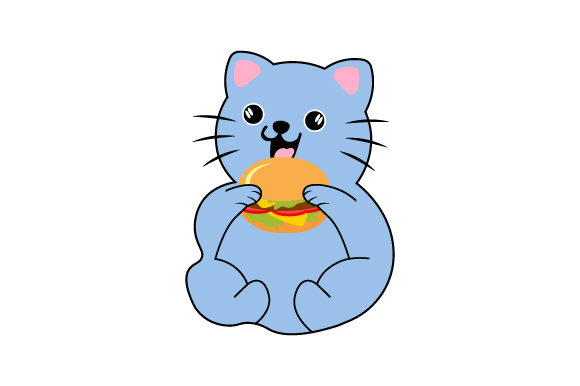
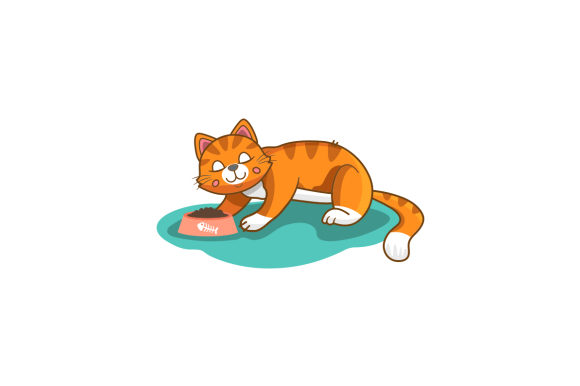
When I first opened the Thin Cat Eating embroidery design file, I was immediately drawn to its playful yet subtle charm. The cat is depicted in a whimsical pose, mid-meal, with just enough detail to be recognizable but not so intricate that it feels overwhelming. It carries a light-hearted mood, perfect for projects that want to add a touch of humor or personality without being too loud.
The layout is balanced, and the shape of the cat is streamlined, which makes it feel modern and versatile. It’s not overly detailed, which is great for those who prefer a minimalist aesthetic in their embroidery work. This design naturally fits into categories like handmade product or personalized gift, especially for items like tote bags, baby clothes, or patches.
Real-Life Use: Custom Tote Bag Project
I decided to test Thin Cat Eating on a custom embroidered tote bag. The fabric was a medium-weight cotton canvas, and I used a 6x8 hoop size. The design stitched up cleanly, with no issues in the stitching flow. The cat's posture and expression came through well, even on a slightly textured surface.
One thing I noticed was how the design handled different thread colors. When I tested it with black thread on a white background, it had a clean, crisp look. On a darker fabric, I used a lighter thread color to ensure visibility. The satin stitch around the cat's outline gave it a nice definition, while the fill stitch inside the body kept the design from looking flat.
For a project like this, I would recommend using a good quality stabilizer, especially if the fabric is thin or stretchy. The design isn’t too dense, so it should handle frequent washing without fraying or losing its shape.
Where Thin Cat Eating Shines
Thin Cat Eating is ideal for a variety of embroidery projects. Here are some of the best use cases based on my experience:
- Custom Apparel: Sweatshirts, t-shirts, and caps can benefit from this design. It adds a fun element without overpowering the garment.
- Tote Bags: As I tested, this design works beautifully on tote bags, especially when paired with a contrasting thread color.
- Patches: The simplicity of the design makes it a great candidate for embroidered patches, whether for apparel or home decor.
- Baby Items: The gentle and cute nature of the cat makes it suitable for baby clothes or nursery decor.
- Holiday Gifts: This design could easily be adapted for holiday-themed gifts, such as personalized pillow covers or kitchen towels.
It also has potential as part of a larger embroidery project where multiple designs are combined. The clean lines and minimal detail allow it to blend well with other motifs or stand alone as a focal point.
Areas to Be Cautious With
While Thin Cat Eating is versatile, there are a few situations where it might need extra attention:
- Small Hoop Sizes: If you're working with a smaller hoop, the details might get lost. It’s best to check the design in a mockup before committing to a small hoop.
- Stretchy Fabrics: On stretchy materials like knits, consider using a stabilizer to prevent distortion during stitching.
- Dark Fabrics: While the design works on dark backgrounds, you’ll need to choose a thread color that provides good contrast.
- Curved Surfaces: If you’re embroidering on a cap or curved item, make sure the design doesn’t have any elements that will cause puckering or misalignment.
Testing the design on scrap fabric first is always a good idea, especially if you're planning to use it for commercial purposes. This helps avoid any surprises when working on your final finished product.
Design Notes for Embroidery Professionals
If you're an embroidery designer or Etsy seller, here are a few practical tips to keep in mind when using Thin Cat Eating:
- Test on Scrap Fabric: Always do a test run before starting your main project. This helps identify any potential issues with stitch density or color contrast.
- Check Thread Colors: Make sure the thread colors you choose complement the fabric and enhance the visual appeal of the design.
- Review Stitch Density: The design isn't overly dense, but if you're using it on a delicate fabric, adjust the stitch settings accordingly.
- Confirm Hoop Size: Ensure that your hoop size matches the design dimensions to avoid unnecessary resizing or distortion.
- Use Proper Stabilizer: Especially important for thin or stretchy fabrics, a good stabilizer ensures a clean, professional finish.
- Mockups: Consider creating a printable mockup to visualize how the design will look on different products before production.
Also, remember to confirm the licensing terms before selling any finished items or digital versions of this design. While the digital embroidery file comes in formats like SVG, PNG, EPS, and DXF, always double-check what rights you have for commercial use.
Final Thoughts on Thin Cat Eating
In summary, Thin Cat Eating is a charming and adaptable design that can elevate a wide range of crafts and embroidery projects. Whether you're an apparel decorator, handmade shop owner, or creative entrepreneur, this design offers a great balance of simplicity and personality.
It’s not the kind of design that will wow everyone, but for the right project — like a custom tote bag or a cute patch — it can add a memorable touch. Just be mindful of the fabric type, thread choice, and hoop size to ensure the best results. With proper preparation and testing, Thin Cat Eating can become a reliable asset in your design assets collection.